Learn how embracing small, strategic imperfections can humanize your brand, build stronger customer relationships, and drive growth, backed by psychology and real brand case studies.


If you’re a solopreneur, small business owner, or creative entrepreneur trying to build a strong brand presence, here’s a refreshing truth: you don’t have to be perfect. In fact, showing your flaws (strategically) may be the smartest move you make.
What You’ll Walk Away With:
- Why small mistakes can build trust and loyalty (thanks to the Pratfall Effect).
- How imperfection makes your brand feel more relatable and human.
- The psychology behind why audiences prefer authenticity over perfection.
- Real-world examples of brands turning slip-ups into marketing wins.
- How to apply the Pratfall Effect in your own business without looking sloppy.
- Why this approach works especially well for solopreneurs and small business owners.
Perfection Isn’t What Builds Loyalty, Humanity Is.
Consumers are growing tired of overly curated content, flawless branding, and copy-paste marketing strategies. In fact, a Stackla study found that 86% of people say authenticity is a key factor when deciding which brands to support. But what does authenticity really look like in business? At its core, it’s about embracing your humanity, including the occasional missteps. That’s where the Pratfall Effect comes in. This psychological principle reveals that when you’re already seen as competent, showing small, genuine imperfections can actually make your brand more relatable, trustworthy, and memorable. In a market where everyone’s trying to look perfect, a little realness can go a long way, and might just be your most powerful marketing advantage.
What Is the Pratfall Effect? (And Why It Works So Well)
In 1966, Elliot Aronson ran an experiment that tested how small mistakes influence perception.
In the experiment, participants listened to recordings of people answering quiz questions. The two participants answered 92% of questions correctly, but at the end of the recording, one of them was heard spilling coffee on themselves.
Surprisingly, the coffee spiller was rated more likable than the perfectly composed participant.
Key takeaway?
When you’re already viewed as competent, a small, harmless mistake can increase relatability, likability, and trust. It makes people say, “Ah, they’re just like me.”
For your business, this means that letting your audience see small imperfections (when done right) can create stronger emotional connections and customer loyalty.
Here’s how the Pratfall Effect plays out in business and branding:
- Increased Brand Trust: Admitting minor errors shows confidence and transparency. It signals to your audience that you’re not hiding anything.
- Human Connection: People trust people, not flawless logos. Owning up to mistakes makes your business more relatable and emotionally engaging.
- Differentiation: In a world of polished perfection, strategic vulnerability helps you stand out and stay memorable.
- Customer Loyalty: Clients are more likely to support a brand they can relate to and root for, especially one that embraces imperfection.
Real Brand Case Studies: Mistakes and “Flaws” That Paid Off
How real brands have leveraged the Pratfall Effect in two key ways:
1. Domino’s: “Sorry We Suck”
For years, Domino’s faced growing criticism that their pizza “tasted like cardboard.” Instead of ignoring the feedback, they confronted it head-on in their now-famous 2009 “Sorry We Suck” campaign.
Domino’s admitted the pizza…well…sucked. They showed real footage of customers giving brutal feedback, and then revealed how they overhauled their recipe based on that criticism.
Results:
- Sales grew 14.3% in the first quarter after the campaign.
- Customer perception of the brand significantly improved.
- Domino’s went from being the butt of jokes to a symbol of brand authenticity and accountability.
2. Listerine: “I Hate It… But I Love It”
In one of the most famous examples of product honesty, Listerine launched a campaign that said: “I hate it, but I love it.”
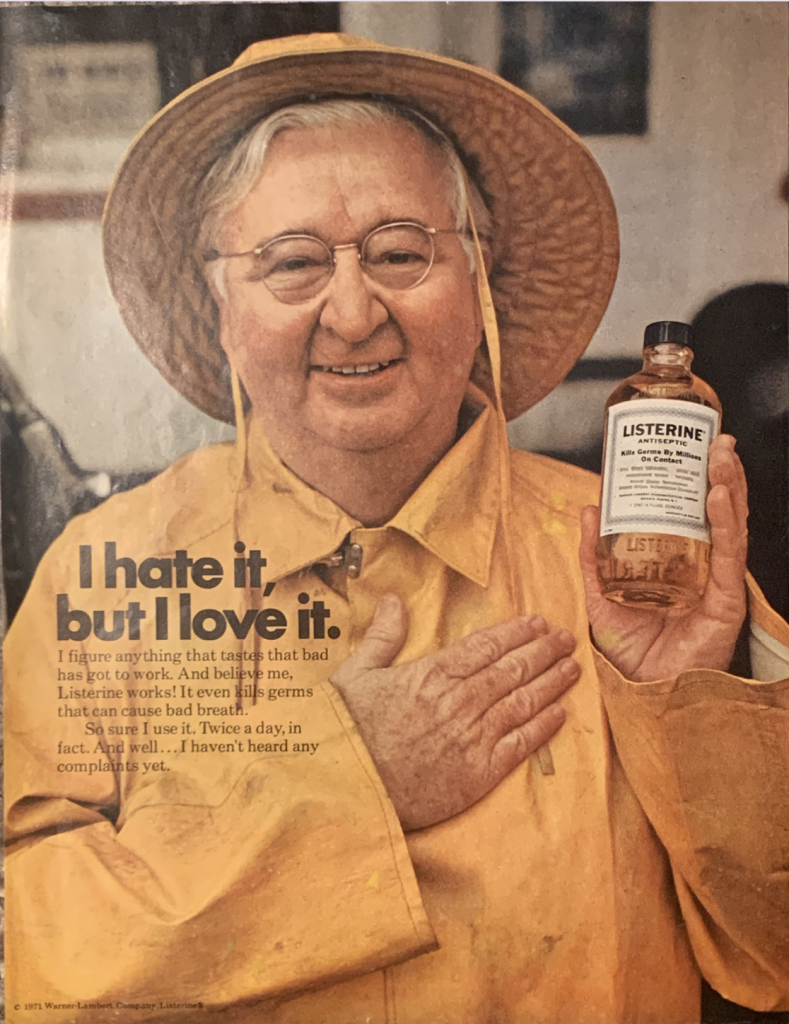
This campaign acknowledged the mouthwash’s unpleasant taste, but emphasized its effectiveness in killing germs.
Results:
- The campaign ran for decades, helping Listerine dominate the mouthwash category for 46 years.
- It framed the bad taste as proof of potency, making consumers feel like enduring it was worth it.
- The slogan became iconic and is still recognizable today, even by those who didn’t experience the campaign firsthand.
Benefits of Using the Pratfall Effect in Your Business
If you’re wondering whether small business owners and solopreneurs can use this strategy, the answer is YES. Here’s why it works so well:
- Boosts authenticity in marketing
- Creates an emotional connection with your audience
- Builds long-term customer loyalty
- Encourages user-generated content through shared real-life moments
- Differentiates your brand in a competitive landscape
How to Use the Pratfall Effect in Your Small Business
Here’s how you can start using this psychology-backed strategy as a service provider, consultant, or creative entrepreneur:
1. Lead with your strengths
Before admitting any flaws, prove your expertise. This sets the foundation of credibility that makes the pratfall effect work.
2. Share a micro-moment
A typo, a behind-the-scenes blunder, a shipping error you fixed fast, use these moments to show the human side of your brand.
3. Own the lesson
Don’t just confess the mistake. Share how you grew from it. This builds even more trust and positions your brand as resilient and self-aware.
4. Involve your audience
Invite customers to share their own funny missteps. It builds community and turns imperfection into a conversation, not a confession.
The Pratfall Effect Only Works If You’re Already Credible
This isn’t about being sloppy. It’s about being real. The key is to first show your value, then layer in the honesty.
TL;DR
- The Pratfall Effect is a psychological phenomenon where competent people or brands become more likable and trustworthy after a small, harmless mistake.
- It’s not about being sloppy, it’s about showing your authentic, human side once you’ve established credibility.
- Sharing minor slip-ups (like typos, behind-the-scenes bloopers, or public corrections) can:
- Boost emotional connection
- Increase brand trust
- Differentiate your business in saturated markets
- Strengthen customer loyalty
- This strategy works especially well for small businesses and solopreneurs looking to build trust without perfection.
- Use the Pratfall Effect by:
- Leading with your strengths
- Admitting small mistakes
- Framing them as growth moments
- Inviting audience interaction
- The Pratfall Effect helps humanize your brand, build emotional credibility, and turn mistakes into marketing wins.
FAQ: Using the Pratfall Effect in Marketing
What is the Pratfall Effect in branding?
It’s a psychological principle where a competent person or brand becomes more likable and trustworthy after making a small, harmless mistake.
Can mistakes actually boost customer loyalty?
Yes, when you’ve proven credibility first. Admitting flaws can humanize your brand and build trust.
Is this strategy too risky for service businesses?
Not if done strategically. Stick to low-stakes pratfalls (like typos or bloopers), and always frame them as learning moments or opportunities for connection.
Does the Pratfall Effect apply to serious industries?
Yes, but tone and context matter. A financial advisor shouldn’t joke about missed numbers, but a behind-the-scenes typo or Zoom mishap? That’s relatable.
How often should I use this strategy?
A few times a quarter is enough. Overuse can make your brand look careless, but done right, it makes you look human.
 The 5 Best Wave Alternatives in 2025 - Wave is a great free tool to start with, but it has limits as you grow. This guide covers the 5 best Wave alternatives in 2025–designed for freelancers, solopreneurs, and small business owners who want automation, clarity, and scalability.
 The 5 Best FreshBooks Alternatives in 2025 - f you’re a solopreneur, freelancer, or creative running your own show, chances are you didn’t start your business dreaming of spreadsheets and
 The 5 Best QuickBooks Alternatives in 2025 - QuickBooks is powerful, but too complex for many solopreneurs. This guide reviews the 5 best QuickBooks alternatives in 2025 that offer simpler, faster, and more affordable money management.